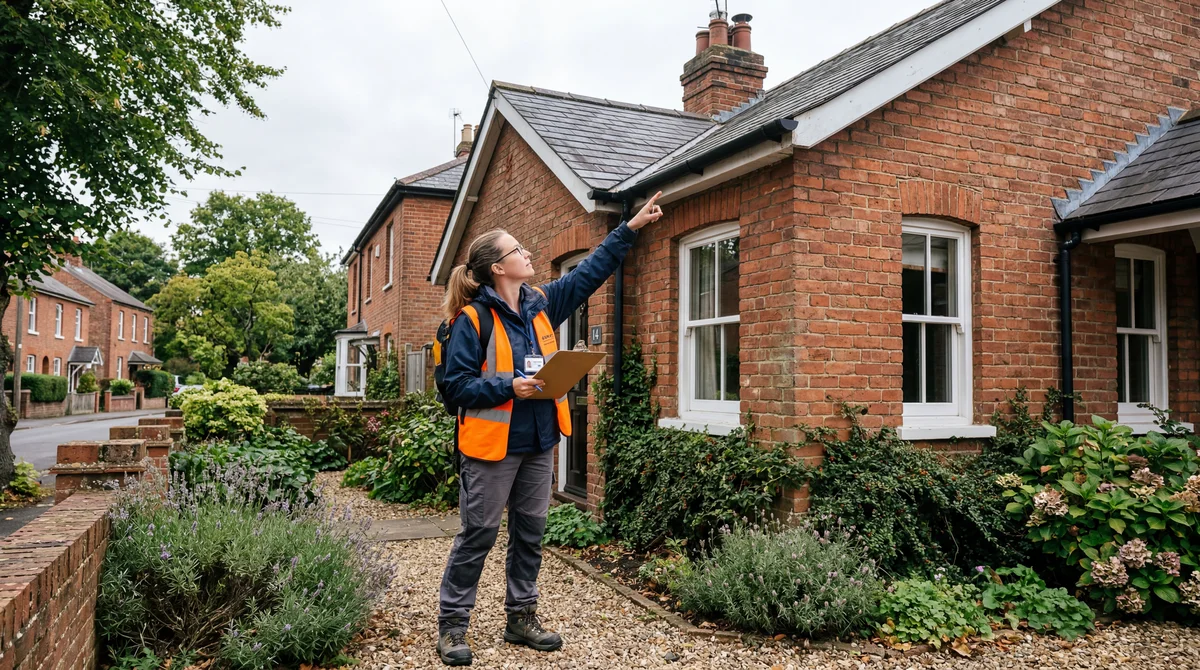
Survey types: Level 1, 2 and 3 explained
Why many buyers treat the survey as one of the most important checks
A survey is not a legal requirement in England and Wales - but skipping one is a gamble that thousands of buyers regret every year. A friend of ours bought without one and discovered subsidence six months in - a £35,000 lesson. Here's how the three levels differ and which types of property each is designed for.
Why surveys matter
Your mortgage lender will carry out a valuation - but this is not a survey. A mortgage valuation simply confirms the property is worth what you're paying for it. It tells the lender almost nothing about the condition of the building, and it protects them, not you.
A survey tells you what you're actually buying. Structural defects, damp, roof problems, subsidence - these can cost tens of thousands of pounds to fix. Knowing about them before exchange means you can negotiate, ask the seller to fix them, or walk away.
RICS Level 1 - Condition Report
The most basic option, suitable only for new-build properties or very recently renovated homes in excellent condition. It uses a traffic-light system (1, 2, 3) to flag condition issues but provides no guidance on what to do about them and no market valuation.
Cost: typically £250-£400. Rarely chosen for properties other than new builds.
- Designed for new-build properties under warranty
- Not suited to anything over 10 years old or any property with visible concerns
RICS Level 2 - HomeBuyer Report (most popular)
The most commonly chosen survey for standard residential properties in reasonable condition. A qualified RICS surveyor visually inspects all accessible areas and reports on condition with a traffic-light rating system. It also includes a market valuation and reinstatement cost for insurance purposes.
This is the level we went with on our purchase. It flagged cavity wall tie corrosion we'd never have spotted ourselves, and that finding alone gave us leverage to negotiate the price down.
Cost: typically £400-£900 depending on property value and location. The most common choice for standard houses and flats built after the 1900s in broadly good condition.
- Covers roof, walls, floors, windows, drainage, damp and more
- Flags items needing repair and items to monitor
- Includes a valuation - useful if you want to negotiate on price
- Does NOT involve moving furniture, lifting carpets or invasive checks
RICS Level 3 - Building Survey (most thorough)
The most comprehensive survey available and the standard choice for older, listed, unusual or visibly problematic properties. Unlike the Level 2, the Level 3 provides a much more detailed assessment of construction, condition and defects, plus guidance on repair options and estimated costs.
Cost: typically £600-£1,500+. Commonly used for properties over 80 years old, anything with visible structural concerns, period or listed buildings, or unusual construction methods (timber frame, concrete, thatched roof).
- Commonly chosen for Victorian, Edwardian or pre-war properties
- The standard choice for any listed building
- Often chosen when a viewing flagged visible concerns
- Findings from a Level 3 can sometimes lead to significant price renegotiations
What happens after the survey?
If the survey uncovers issues, you have four options: proceed as planned, negotiate a price reduction, ask the seller to fix specific items before exchange, or withdraw your offer entirely. None of these are unusual - surveyors find something on the vast majority of properties they inspect. The key is acting on the findings before you exchange, when you're legally committed to the purchase.
Key takeaways
- 1A mortgage valuation is not a survey - it protects the lender, not the buyer
- 2Level 2 (HomeBuyer Report) is the most common choice for standard residential properties
- 3Level 3 (Building Survey) is the standard for older, listed or unusual properties
- 4Survey findings are often used to negotiate a price reduction or repairs
- 5All RICS-qualified surveyors are regulated and must carry professional indemnity insurance
General information only. This article is for educational purposes and does not constitute legal, financial, surveying or tax advice. Every property purchase is different - always consult a qualified solicitor, mortgage adviser or surveyor before making decisions. Home Ready Guide Limited is not FCA authorised.
Related articles
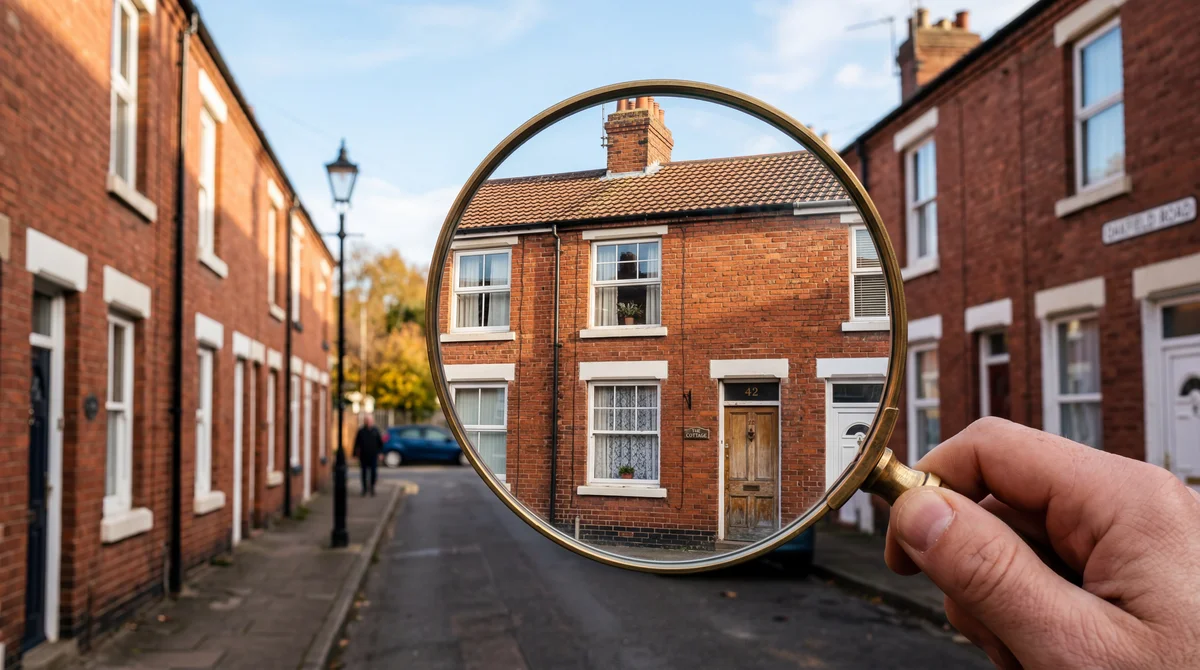
What to Actually Look For on a Property Viewing
When we started viewing houses, we spent half the time admiring the décor. It took a few viewings (and some honest feedback from our surveyor) to realise that paint colours and garden tidiness have nothing to do with whether a house suits your needs. Here's what to actually look at - and what you may want to look at more carefully.
Read article
Conveyancing Explained: What Your Solicitor Actually Does
For many buyers, conveyancing is the mysterious thing that 'the solicitor does' for several months in the background. We felt completely in the dark during ours - chasing updates, not understanding what stage we were at, wondering if things were on track. Understanding what's actually happening - and what your role in it is - can reduce that anxiety and help you spot delays before they become problems.
Read article
Exchange vs Completion: What's the Difference?
We used to say 'exchange' and 'completion' interchangeably until our solicitor corrected us - they are two very different legal events that happen at different times, and confusing them can lead to costly mistakes. Understanding the difference protects you.
Read article