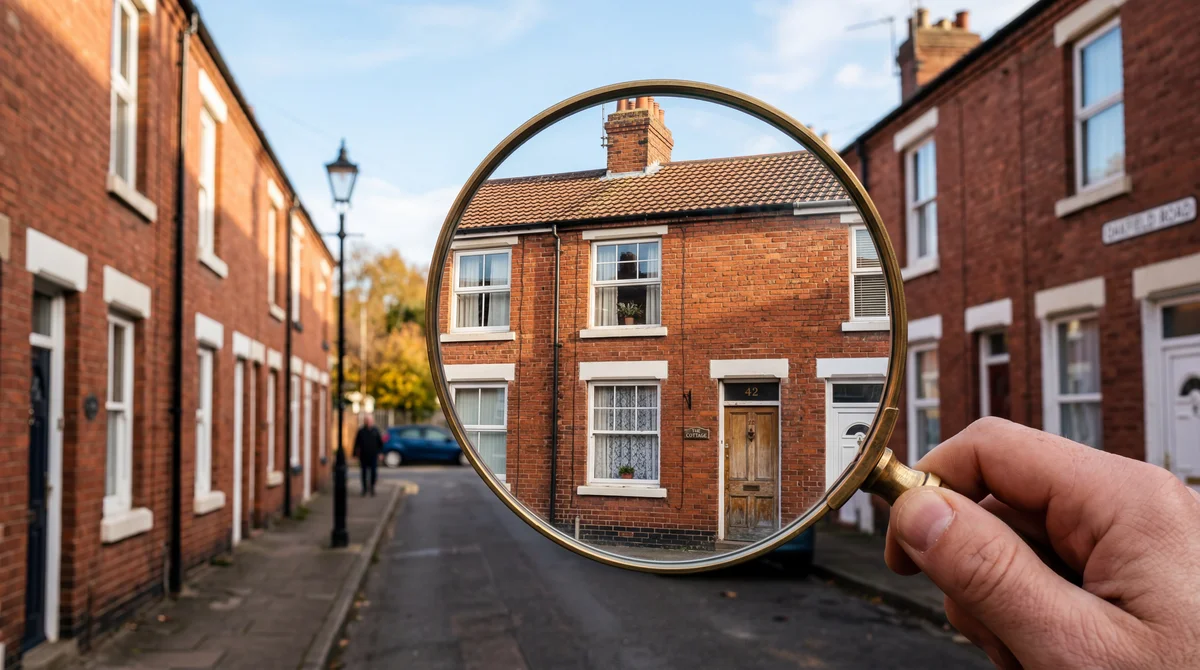
What to Actually Look For on a Property Viewing
Cosmetics are cheap to fix - structure, damp and light are what matter
When we started viewing houses, we spent half the time admiring the décor. It took a few viewings (and some honest feedback from our surveyor) to realise that paint colours and garden tidiness have nothing to do with whether a house suits your needs. Here's what to actually look at - and what you may want to look at more carefully.
Ignore cosmetics - they're cheap to fix
A messy garden, outdated kitchen units, an ugly bathroom suite - these are all things you can change for relatively modest cost. A property with a tired kitchen but solid bones, good structure and a great location generally has far fewer expensive surprises than an immaculate-looking house with hidden problems.
Brightly painted walls, heavy curtains and strong scented candles are sometimes used by sellers (or their agents) to distract from issues like damp, poor natural light or awkward room layouts. Staging can make it harder to spot underlying issues.
- Overgrown garden - a weekend's work and some money at the garden centre
- Dated kitchen units - from £3,000-10,000 to refresh or replace
- Old bathroom suite - typically £2,000-6,000 to update
- Peeling wallpaper or chipped paint - a tin of paint and a weekend
Look at the structure first
The things that cost the most to fix are structural: foundations, roof, walls, floors. On one of our early viewings, we were so taken with a beautifully staged living room that we nearly missed a long diagonal crack running through the bay window wall. Our surveyor later told us it was a sign of subsidence. On a viewing, you can spot early warning signs even without being a surveyor.
Look up at the roof from outside - do tiles look even and secure? Are there sagging ridgelines or loose lead flashing around chimneys? Inside, look at the ceiling for water stains (brown rings or bubbling plaster). Check around windows and in corners of rooms for dark staining or a musty smell, which can indicate damp.
Look at walls carefully - small cracks (hairline, less than 2mm) are usually just settlement and movement, totally normal in older properties. Diagonal or stepped cracks in brick, or cracks that are wider at one end, are worth flagging to your surveyor.
- Check the roof externally - sag, missing tiles, damaged flashing
- Look at ceilings for stain patterns indicating past or current leaks
- Press on window frames gently - soft or spongy wood means rot
- Feel the bottom of doors in the kitchen and bathroom - swelling can mean damp subfloor
Natural light and layout
These are the two things you genuinely cannot change. You can renovate everything else, but you can't move where the sun rises.
Ask which direction the garden faces. South-facing is generally most desirable for all-day light, but east-facing can be lovely for morning light in a kitchen, and west-facing means you get evening sun in the garden. North-facing gardens receive very little direct sunlight and can make the back of the house feel darker.
Layout is equally fixed. Open-plan ground floors are popular but they suit some households more than others. Does the kitchen feel separated from the living space in a way that suits your family? Is there enough storage? Do the bedrooms have adequate wardrobing?
- Visiting at different times of day shows how light changes - morning vs evening can be very different
- Rooms that feel naturally bright without lights on tend to have better orientation
- Layout is fixed - it's worth thinking about whether it suits how you actually live
- Note ceiling heights - lower ceilings make rooms feel smaller
Signs of damp - the big one
Damp is the most common significant issue in UK residential property and comes in three forms: rising damp (from the ground), penetrating damp (through walls or roof), and condensation (the most common and least serious - usually caused by poor ventilation).
Smell is one of the most reliable indicators here - we nearly made an offer on a place before noticing a musty smell coming from behind a wardrobe pushed against an external wall. Turned out to be penetrating damp that would have cost thousands. A musty, earthy smell in a property is a red flag. Look especially in corners, behind furniture pushed against external walls, inside fitted wardrobes and in the bathroom and kitchen around tiles and sealant.
- Dark staining on floorboards under rugs can indicate damp
- Black mould or staining around window frames and sills is a common sign of condensation damp
- Sellers can be asked directly whether there have been any damp or leak issues
- Anything noticed on a viewing can be flagged to a surveyor for closer inspection
Ask the right questions
A viewing is a chance to ask questions the listing photos won't answer.
Useful things to find out: How old is the boiler? When was the roof last repaired? Are there any ongoing disputes with neighbours? Has the property ever flooded? What are the neighbours like and how long has the seller lived there? Is there adequate parking? What are the broadband speeds like? Has the property ever had any structural work done, and if so, do they have warranty documentation?
Key takeaways
- 1Cosmetics (paint, garden, décor) are cheap to change - structure, damp and light are not
- 2Structure, roof, damp and natural light are the things that cost the most to fix or cannot be changed at all
- 3Visiting at different times of day gives a more complete picture of the property
- 4Sellers can be asked direct questions about the property's history
- 5Anything noticed on a viewing can be flagged to a surveyor for closer inspection
General information only. This article is for educational purposes and does not constitute legal, financial, surveying or tax advice. Every property purchase is different - always consult a qualified solicitor, mortgage adviser or surveyor before making decisions. Home Ready Guide Limited is not FCA authorised.
Related articles
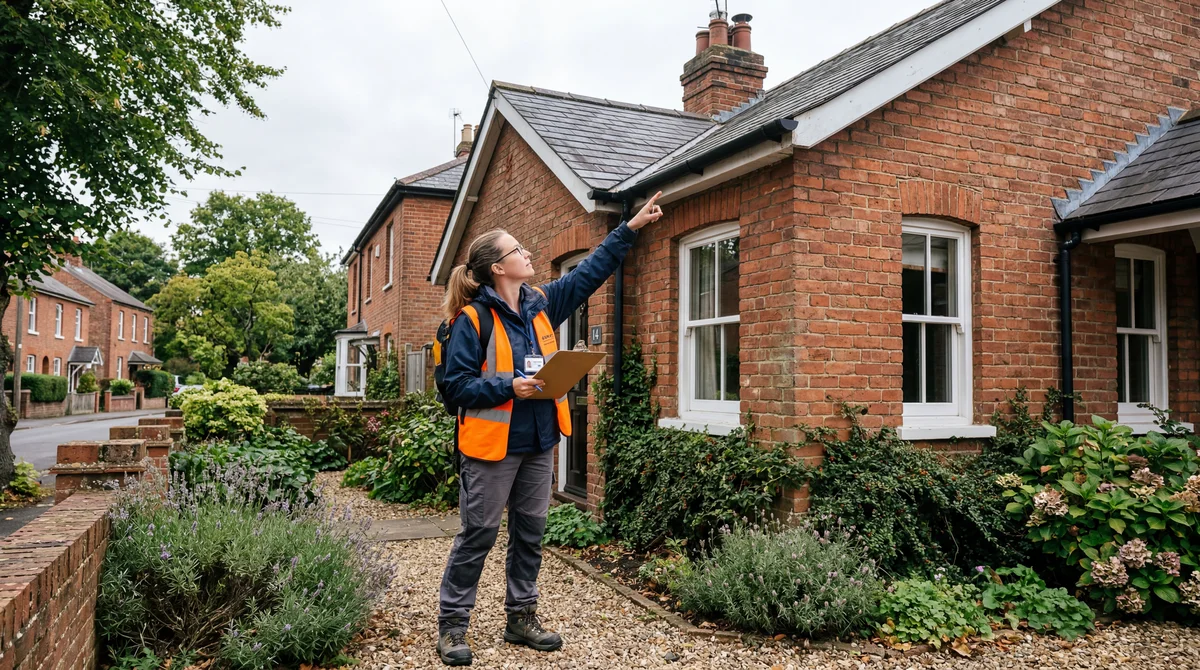
Survey types: Level 1, 2 and 3 explained
A survey is not a legal requirement in England and Wales - but skipping one is a gamble that thousands of buyers regret every year. A friend of ours bought without one and discovered subsidence six months in - a £35,000 lesson. Here's how the three levels differ and which types of property each is designed for.
Read article
7 Mistakes First-Time Buyers Make (and How to Avoid Them)
Buying your first home is exciting, and it's also the point at which you're most vulnerable to making expensive mistakes. We made at least three of these ourselves - and built this guide so you don't have to. Here are the seven most common ones - and what many buyers do differently.
Read article
Conveyancing Explained: What Your Solicitor Actually Does
For many buyers, conveyancing is the mysterious thing that 'the solicitor does' for several months in the background. We felt completely in the dark during ours - chasing updates, not understanding what stage we were at, wondering if things were on track. Understanding what's actually happening - and what your role in it is - can reduce that anxiety and help you spot delays before they become problems.
Read article