Exchange vs Completion: What's the Difference?
The two most important days in buying your home - and why the gap between them matters
We used to say 'exchange' and 'completion' interchangeably until our solicitor corrected us - they are two very different legal events that happen at different times, and confusing them can lead to costly mistakes. Understanding the difference protects you.
Exchange of contracts
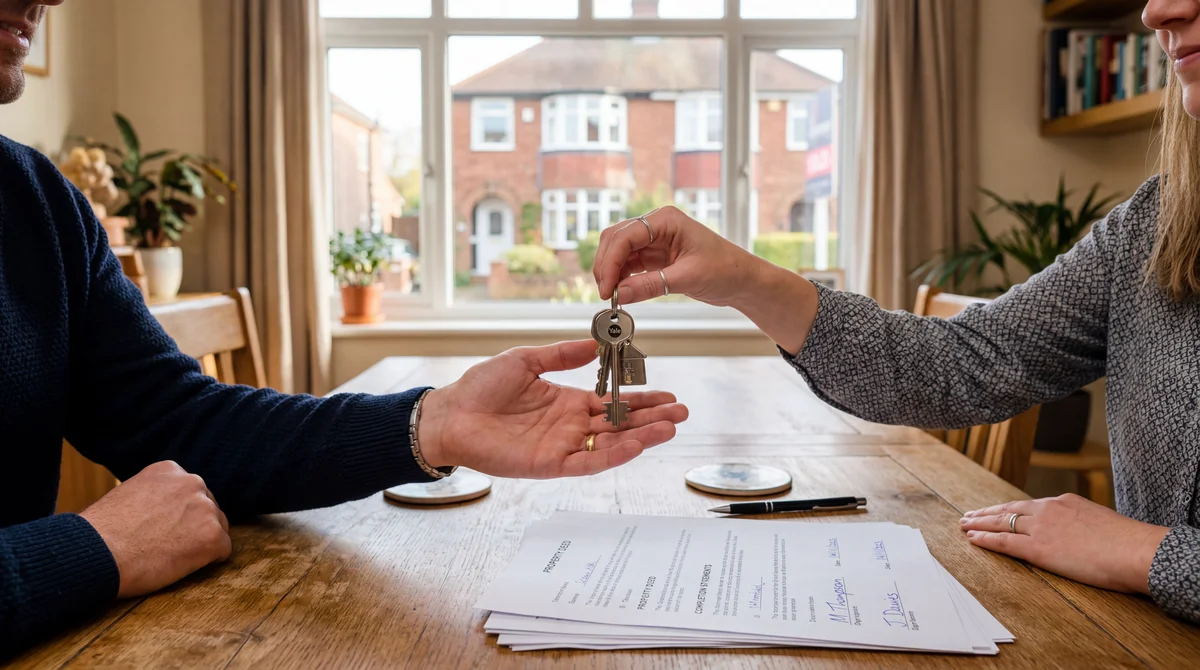
Exchange is the first legal milestone. It happens when both buyer and seller sign identical copies of the contract and their solicitors swap ('exchange') them over the phone. At this point, the sale becomes legally binding on both sides.
When you exchange, you pay the deposit - typically 10% of the purchase price - which goes to the seller's solicitor. A completion date is agreed at exchange and written into the contract.
If you withdraw after exchange, you lose your deposit and may face further legal liability. If the seller withdraws, they are in breach of contract and can be sued for damages.
- Removal companies, tenancy notices and school changes are typically arranged after exchange - not before
- Buildings insurance is usually arranged from exchange, as the buyer becomes responsible for the property at that point
Completion
Completion is when money moves. On the completion day, your solicitor sends the purchase funds (your deposit plus the mortgage advance) to the seller's solicitor. When they confirm receipt, the seller must vacate the property, and your estate agent releases the keys to you.
Completion typically happens between 1 and 4 weeks after exchange, though it can be the same day in chain-free transactions. In a chain, all completions happen simultaneously on the same day.
- Completion usually happens between 12pm and 2pm, once funds have cleared
- Many buyers arrange contents insurance to start from completion day
- Have the number of your solicitor and estate agent to hand throughout the day
The gap between exchange and completion
This period - typically 1-2 weeks - is when you arrange your removal, redirect your mail, set up utilities, and prepare for the move. We booked our removal company the morning after exchange - a friend who waited a week almost missed out on their preferred date and had to pay a premium for a last-minute slot.
Your solicitor will be preparing the completion financial statement and confirming with your lender that mortgage funds will be available. Nothing dramatic typically happens in this period, but it's worth staying in regular contact with your solicitor to confirm everything is on track for completion day.
What happens before exchange?
Before exchange, neither party is legally committed. Either side can withdraw at any point without financial penalty (though you will have spent money on surveys, searches and solicitor fees that are non-refundable). This is why gazumping (when a seller accepts a higher offer after accepting yours) is legal in England and Wales.
This period of uncertainty is simply a feature of the English property buying system - Scotland has a different system (missives) that creates an earlier legal commitment.
Key takeaways
- 1Exchange = legal commitment. Completion = money moves and keys are released
- 2Pay deposit and fix completion date at exchange
- 3Many buyers arrange buildings insurance from exchange rather than waiting until completion
- 4Irreversible arrangements (removal, notice on rental) are typically made after exchange
- 5Before exchange, either party can walk away - this is why the process can feel uncertain
General information only. This article is for educational purposes and does not constitute legal, financial, surveying or tax advice. Every property purchase is different - always consult a qualified solicitor, mortgage adviser or surveyor before making decisions. Home Ready Guide Limited is not FCA authorised.
Related articles
Survey types: Level 1, 2 and 3 explained
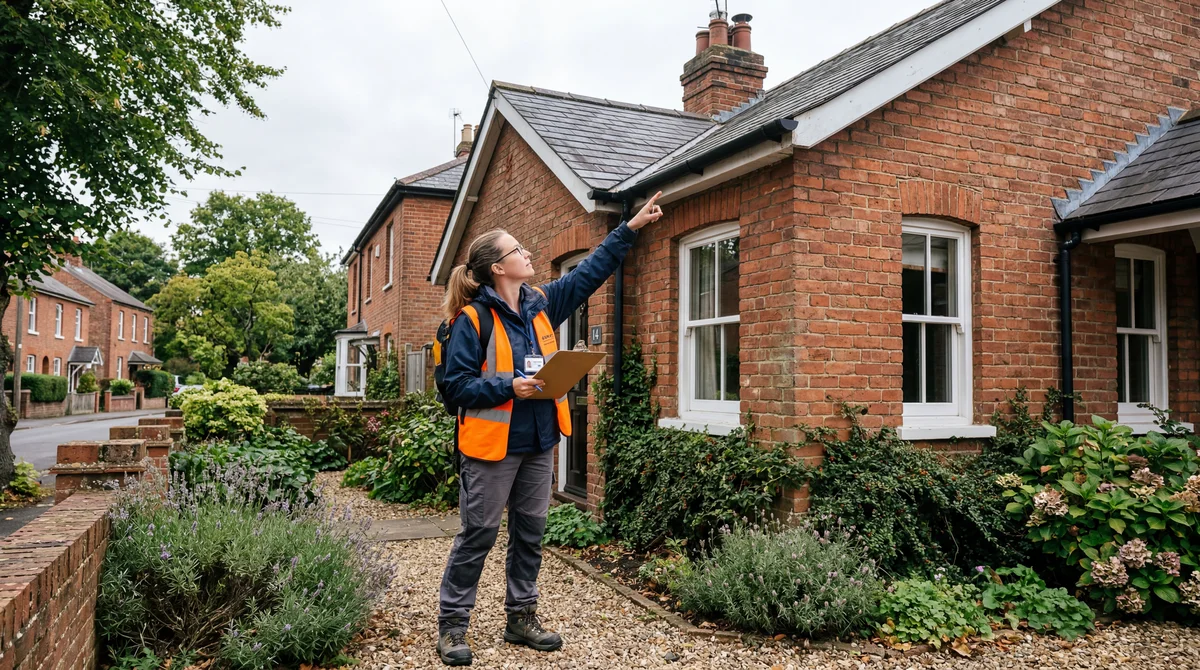
A survey is not a legal requirement in England and Wales - but skipping one is a gamble that thousands of buyers regret every year. A friend of ours bought without one and discovered subsidence six months in - a £35,000 lesson. Here's how the three levels differ and which types of property each is designed for.
Read article
7 Mistakes First-Time Buyers Make (and How to Avoid Them)
Buying your first home is exciting, and it's also the point at which you're most vulnerable to making expensive mistakes. We made at least three of these ourselves - and built this guide so you don't have to. Here are the seven most common ones - and what many buyers do differently.
Read article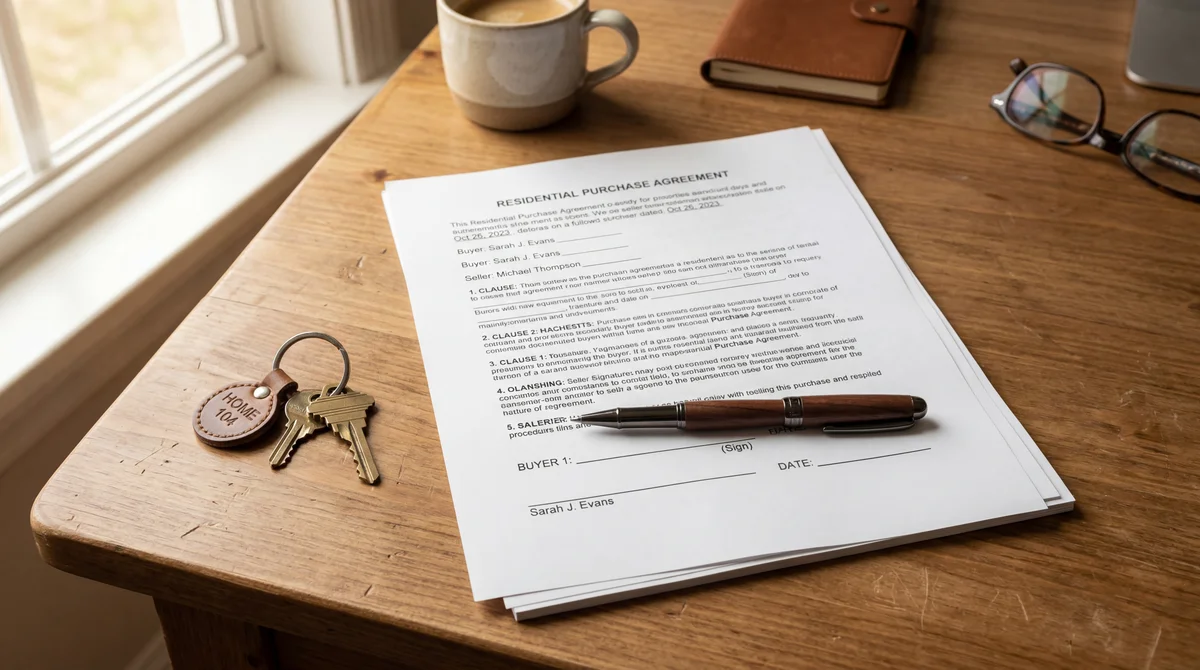
Conveyancing Explained: What Your Solicitor Actually Does
For many buyers, conveyancing is the mysterious thing that 'the solicitor does' for several months in the background. We felt completely in the dark during ours - chasing updates, not understanding what stage we were at, wondering if things were on track. Understanding what's actually happening - and what your role in it is - can reduce that anxiety and help you spot delays before they become problems.
Read article